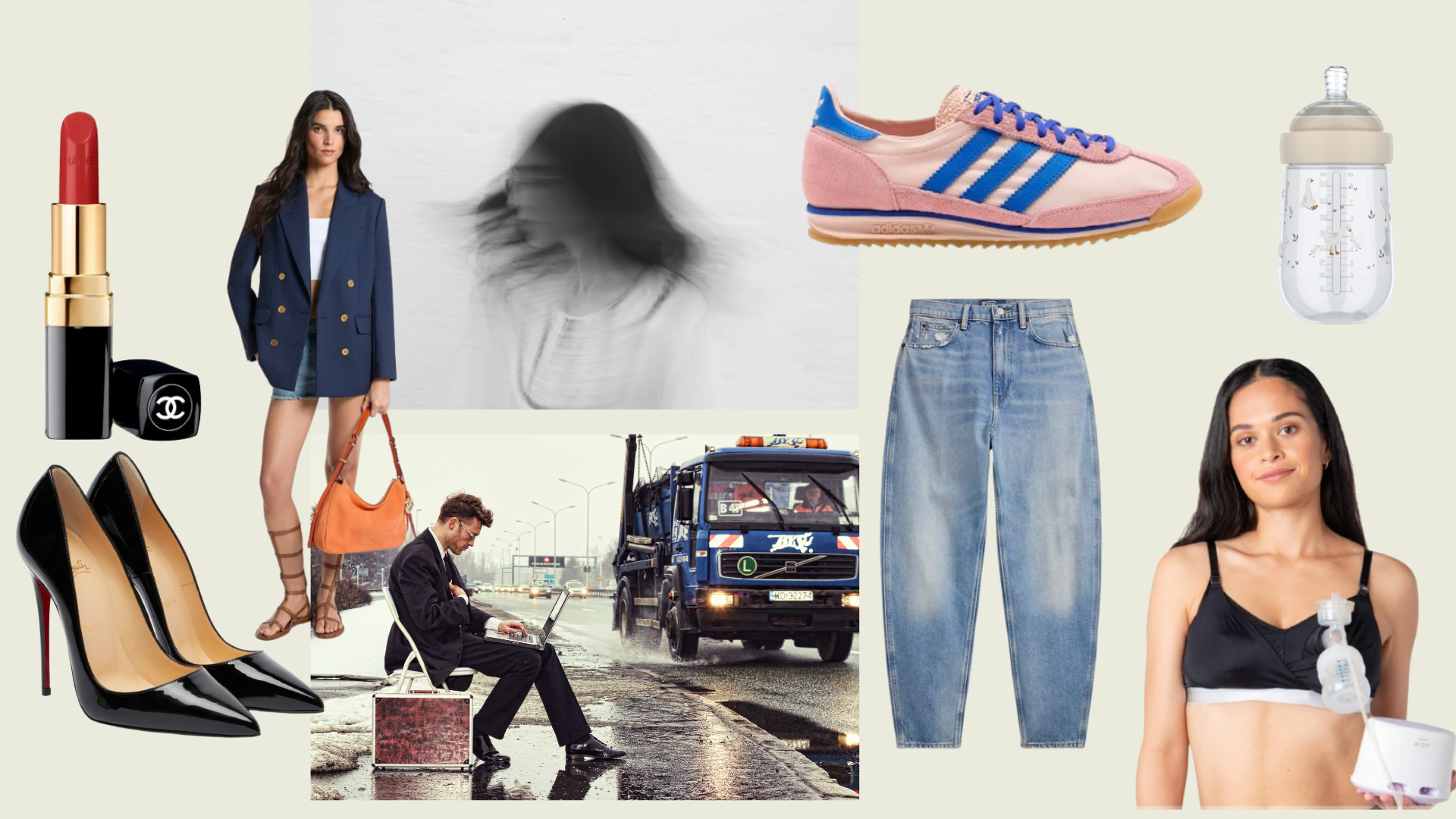
Through the years of styling women, I’ve heard almost every possible complaint about body parts. Most of these complaints come from women who have delivered children and whose bodies have changed. Although being a mother must be one of the most rewarding things for many women — worth almost any sacrifice — the body can change sometimes beyond recognition.
While talking to many women (yes, I do have deep conversations with them — styling isn’t only about choosing the right clothes for a particular body type, it’s also about the personal situation you’re in, your state of mind, your lifestyle), I see many describe their style before and after becoming a mother. Before, it felt like they always invested more time and effort into pulling a cool outfit together — they were more interested in trends. Things change diametrically once they become mothers, whether fresh or with kids already a few years old. Usually, comfort comes first, and that’s genuinely normal — it’s hard to imagine chasing your toddler around the park in heels and a pencil skirt. I’m a big advocate of comfortable clothing that doesn’t turn women into a uniform, or lock them into something as restrictive as a Victorian corset.
There’s only one part of this that makes me sad: listening to women describe how, after becoming a mother, they nearly forget about themselves entirely — all focus shifted onto family and its needs. Psychology has a name for the whole transition into motherhood: matrescence, a term first coined in 1973 by medical anthropologist Dana Raphael. But within that transition, what I hear most often — and what nobody really talks about — is that women stop being themselves. Not because they wanted to, but because the situation simply didn’t leave room for anything else.
“The critical transition period which has been missed is matrescence, the time of mother-becoming… Giving birth does not automatically make a mother out of a woman… The amount of time it takes to become a mother needs study.”
— Dana Raphael, “Matrescence, Becoming a Mother, A New/Old Rite de Passage,” in Being Female: Reproduction, Power, and Change (1975)
There’s also the mental load women carry during their children’s early years — something that pushes fashion far further down the list of priorities than it used to be. In the modern world, many women carry a double role: not only are they full-time workers, but plenty also find themselves in charge of the household — and not just cleaning, cooking, or childcare, but the organizing of activities, remembering doctors’ appointments, generally running the family’s logistics. That’s another hidden layer of duties nobody really talks about.
To be fair, though — and I want to be fair here — studies also show the father’s side of this. Paternity leave is far shorter than maternity leave almost everywhere, and it’s often not looked on well within companies when fathers want to take more time simply to be present with their own children. And that gap in leave time turns out to matter more than most people realise.
There’s a term for this too: maternal gatekeeping — the way mothers can, often without meaning to, encourage or discourage a father’s involvement in parenting. A 2025 study of 130 couples, published in the peer-reviewed journal Sex Roles, found that when fathers took longer paternity leave, mothers criticized their parenting less and let them finish tasks their own way more — but the reverse wasn’t true when mothers themselves took longer leave. The researchers also found this isn’t really about control for its own sake; it’s linked to something more specific: the belief that mothers are simply, instinctively better at this than fathers. The more either parent held that belief, the more likely the mother was to take over. It’s worth noticing, too, that in that same study mothers averaged 67 days of leave to fathers’ 14 — nearly five times less time to learn the same job. It’s hard to be as organized at something you were given a fraction of the practice time to learn.
Still, with all the stress, duties, and responsibilities, after some time women come back to the fashion scene, wanting a change, or wanting to return to who they were before becoming a mother. That’s usually when I get an email, and through my questionnaire I always try to get a sense of what problem we’re solving before I even meet these women.
In today’s article, though, I want to focus on postpartum fashion and maternity style — specifically the type of clothes that are easy to wear, comfortable, and good for dressing after baby, when the postpartum body still needs plenty of time to come back to its previous shape — if that’s even the goal. But these are also clothes that don’t sacrifice comfort for design. I firmly believe good, comfortable clothes for mothers don’t need to lack design at all — a subtle print, a small ruffle, softer pastel tones — small details like these can help a woman feel like herself again, not only a caregiver.
One brand I recommend, both to mothers-to-be and to women in postpartum, is HATCH Collection. They don’t just solve a specific problem well — they’ve gone a step further with Babe by Hatch, their own editorial platform, where you can read genuinely useful articles organized by trimester, written with real experts — nurses, therapists, lactation consultants. I like this kind of forward-thinking brand, one that tackles a real problem while still delivering good design, so women who are expecting or newly postpartum don’t have to settle for anything ugly. They can be comfortable, practical, and pretty, all at once. That editorial layer is another level entirely — a brand building a real connection with its customers through actual content, not just products, which rarely happens these days.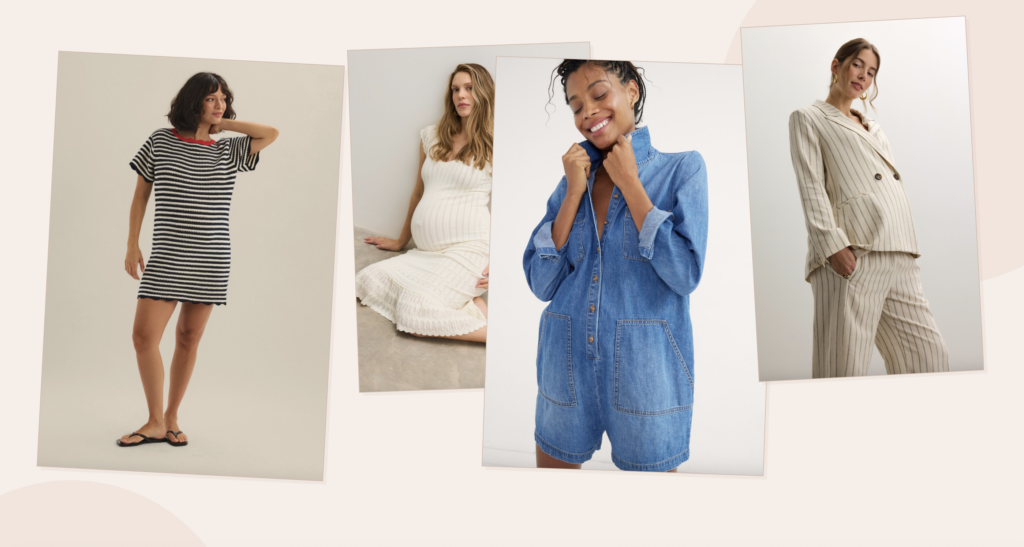 When it comes to brands offering high-quality basics with good design that are easy to mix and match, I’d recommend COS, Arket and Samsøe Samsøe. A bit more playful and edgy: AllSaints, especially their leather jackets and high-quality denim, plus a few interesting shoe options; & Other Stories for a more affordable take on basics with cute, feminine details, pastel colors, and a bit of fun; and Nobody’s Child for genuinely nice dresses that flatter any body type without losing femininity.
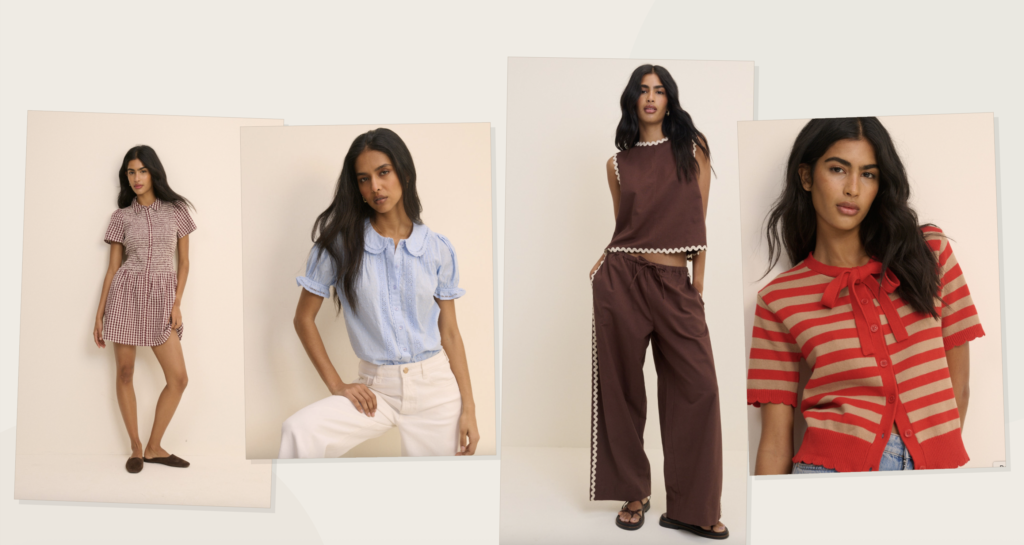
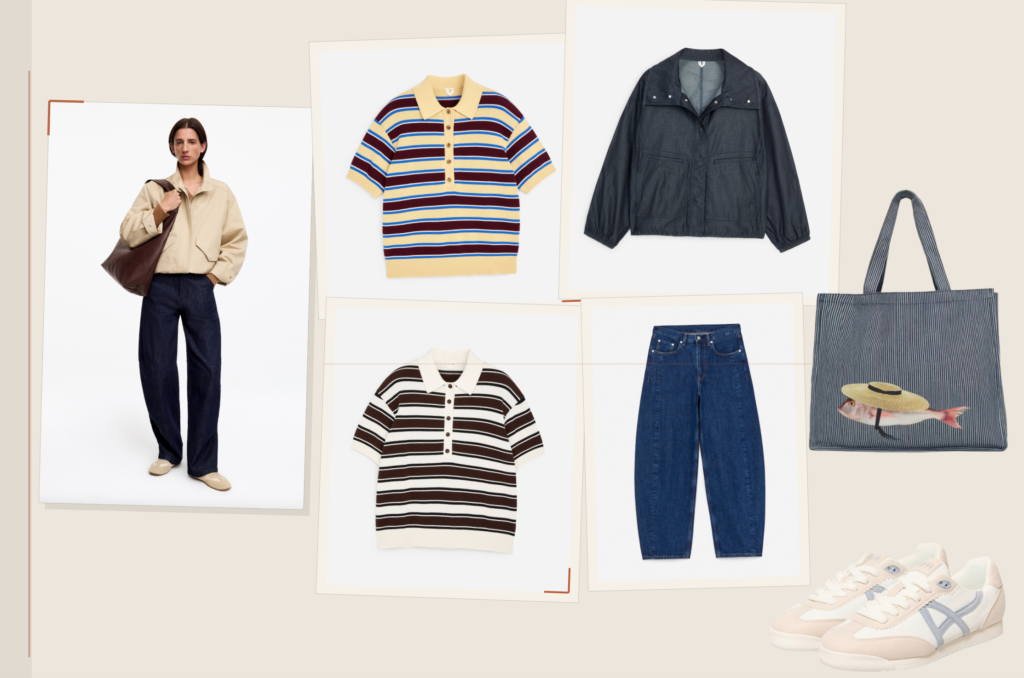
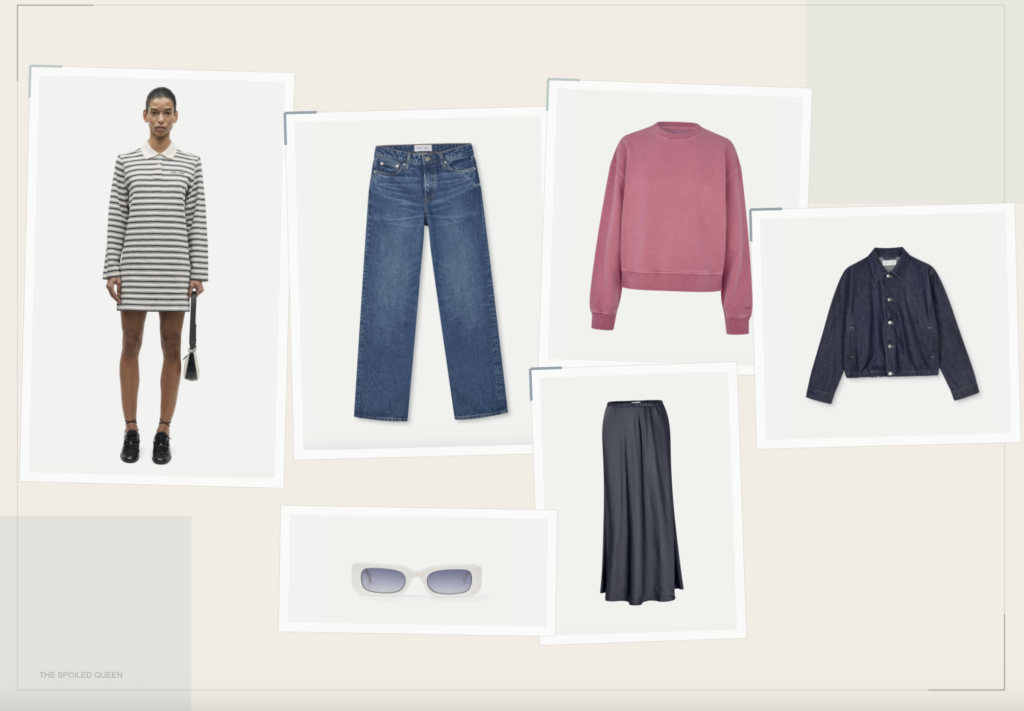
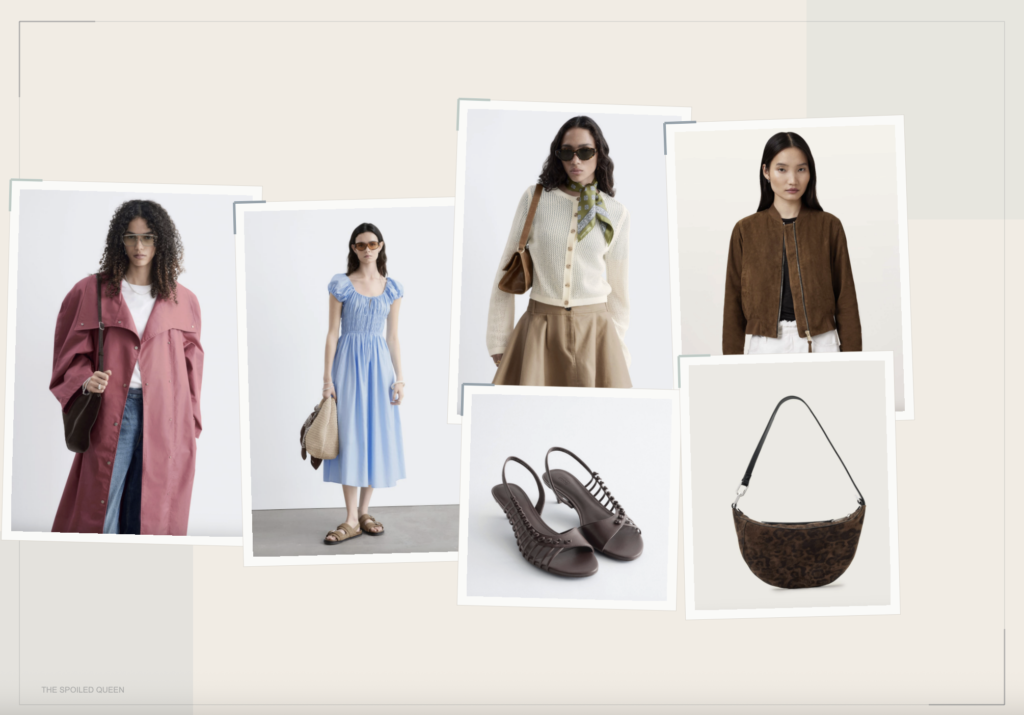
I’ve picked these more “simple” brands on purpose — clothes from them don’t just give you high-quality fabric and comfort, they’re also ultra easy to mix and match. But here’s the secret: when you’re working with plainer clothes, you have far more room to play with accessories. One good bag, a pair of genuine leather shoes, or an interesting piece of jewelry can completely transform the look, without spending unnecessary time putting it together.
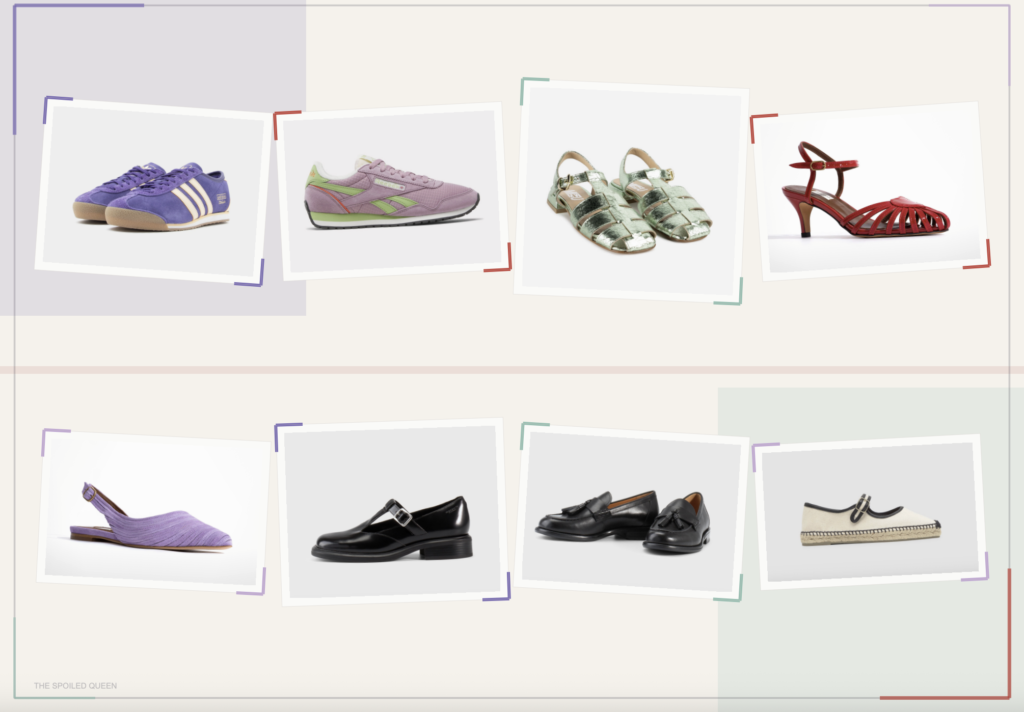
For bags, I’d highly recommend the Polish brand Zofia Chylak — unique design, high-quality genuine leather. For something more vintage or bohemian-inspired, Free People; for something classic, A.P.C.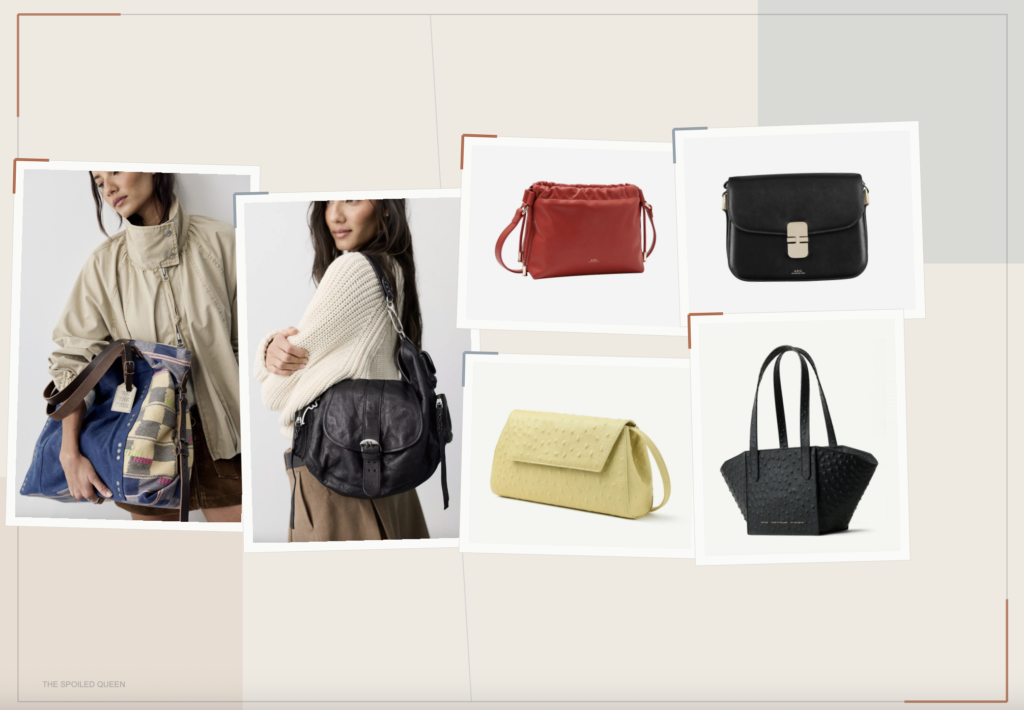 Shoes are another category entirely. If you need comfort, always go for vintage-style sneakers like Adidas or Reebok. For high-quality leather with timeless Scandinavian design, Vagabond or Anonymous Copenhagen. AllSaints always has a unique pair worth considering too. For summer, go for espadrilles from the timeless Spanish brand Castañer, or a pair of Birkenstocks with the nice gold buckle — it’s a small detail that adds a touch of elegance to an otherwise very basic shoe.
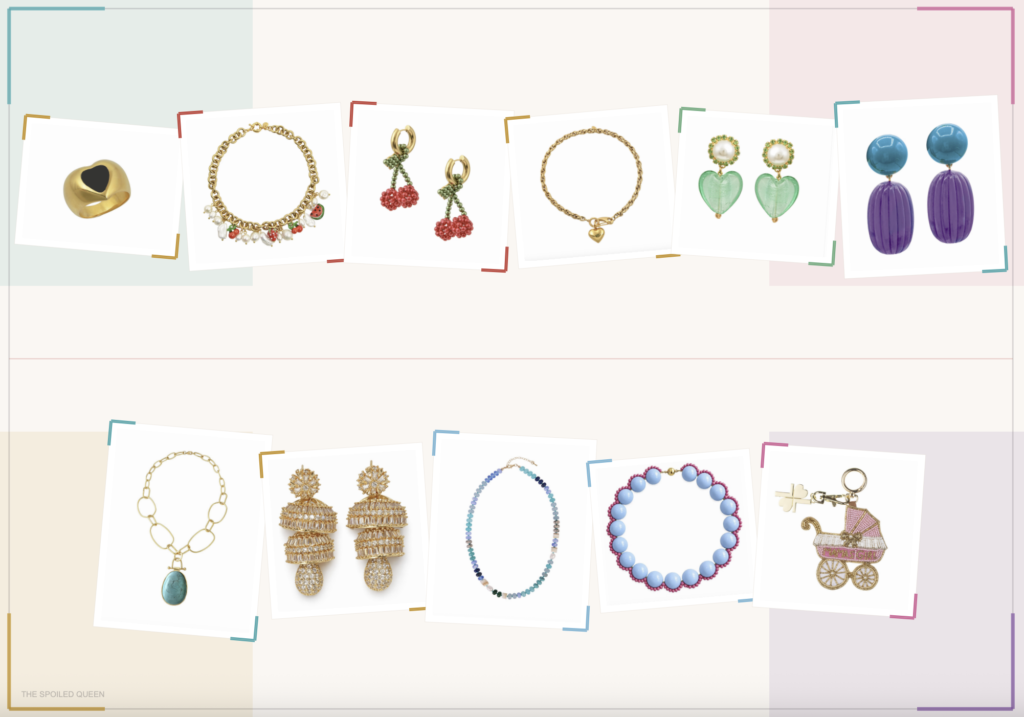
 Even the simplest outfit can be completely transformed with the right jewellery. A plain white T-shirt, a crisp shirt, or a minimal dress instantly feels more polished when you add a few well-chosen pieces. My two favourite brands for timeless, statement-making jewellery are Mayol Jewelry and Wolf & Badger — an online marketplace for independent designers where you can spend an hour and come out with something nobody else has.
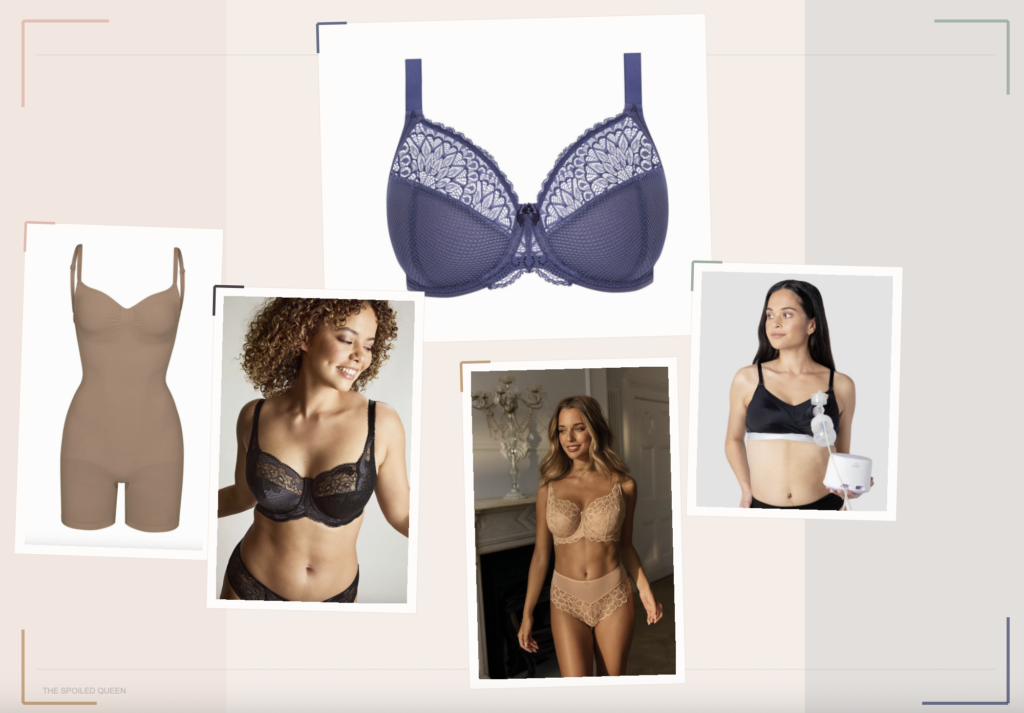
 Of course, we can’t forget about lingerie. During pregnancy and postpartum, the right bra can completely change how you feel in your clothes — and I mean that practically, not just emotionally. The wrong size after a body that’s changed significantly can affect your posture, the way clothes fall, and how comfortable you feel in your own skin. Here are my recommendations, depending on what you’re looking for:
- Most beautiful: Hotmilk Lingerie — the brand that finally figured out nursing lingerie doesn’t have to look functional and dull. Real lace, real design, pieces you’d choose even if you weren’t breastfeeding.
- Best luxury: Cake Maternity — Australian brand, consistently awarded for combining genuine support with a feminine finish. Worth it if you want something that feels like a treat.
- Best for larger busts: Panache and Elomi — both specialists in fuller bust from D cup upward, with proper structure rather than just bigger sizes of standard cuts.
- Best for postpartum recovery: Bodily — research-backed, designed specifically around what the body actually goes through after birth, including C-section recovery. Practical without being depressing to look at.
- Best shapewear: SKIMS — if you want something that smooths without compressing uncomfortably, this is the current standard. Wide size range, good quality for the price.
 One final piece of advice: don’t underestimate the importance of a professional bra fitting. Your body changes throughout pregnancy and after giving birth, and wearing the right size can make an incredible difference — not only to your comfort but also to the way your clothes fit and how you carry yourself. If you are based in Madrid, I can recommend Corsetería Coco, a professional bra-fitting service with plenty of options you can buy on the spot.
That said, if you need support with your current wardrobe — whether in person or online — you can book my personal styling services here.