Spending sufficient time in the northern part of Barcelona — Sarrià–Sant Gervasi/Galvany, probably the only place I actually like in the whole city (apart from the botanical garden with cactuses, which you will read more about in my upcoming magazine) — made me realise a few things.
I won’t lie: being away from my home country for nearly 20 years, with some breaks, exploring different countries and living among expats from all over the world, has led me to one clear conclusion — Spain is my ultimate home. And more importantly, being among locals, in quiet and peaceful places, is what I value the most.
In Barcelona, these are the only locations and barrios where I truly feel safe and good. The rest of the city, although very charming, doesn’t feel particularly compelling to me. I simply don’t feel as safe there, and the streets feel a bit more raw for my taste.
Nevertheless, fashion is another story. For that, I’m willing to go beyond — to find local stores and give you first-hand insight into what the actual fashion style in this city really is.
Unlike Madrid, Barcelona — being a Mediterranean city — follows slightly different rules when it comes to dressing. Even if you are rich, your look is more laid-back.
We are talking about family money, generational wealth. There is a low need for validation. Cultural capital matters more than financial display.
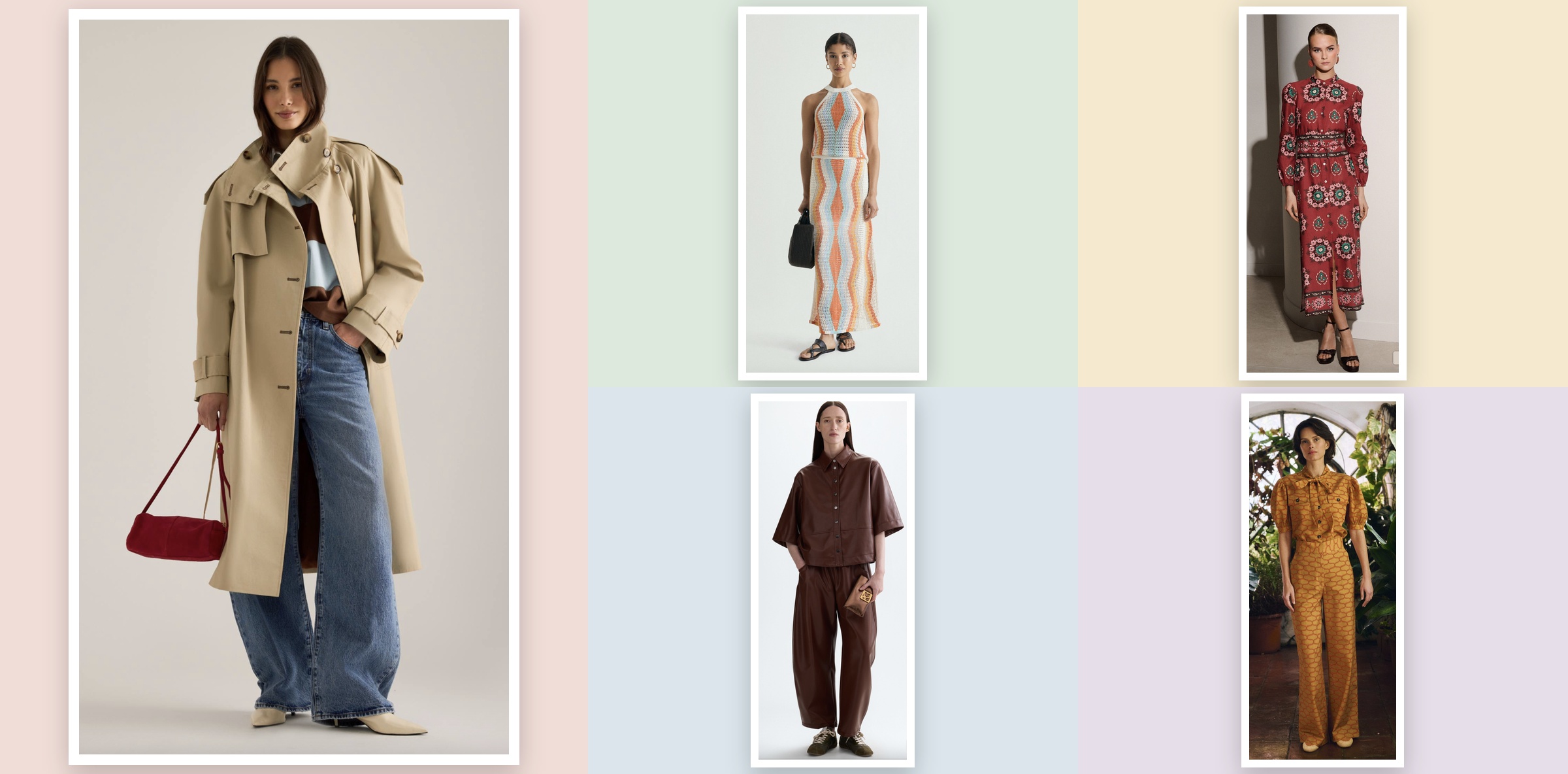
The style is effortless, to the point of being almost annoying. Slightly oversized, relaxed silhouettes dominate. Clothes look lived in, never “fresh out of the bag.”
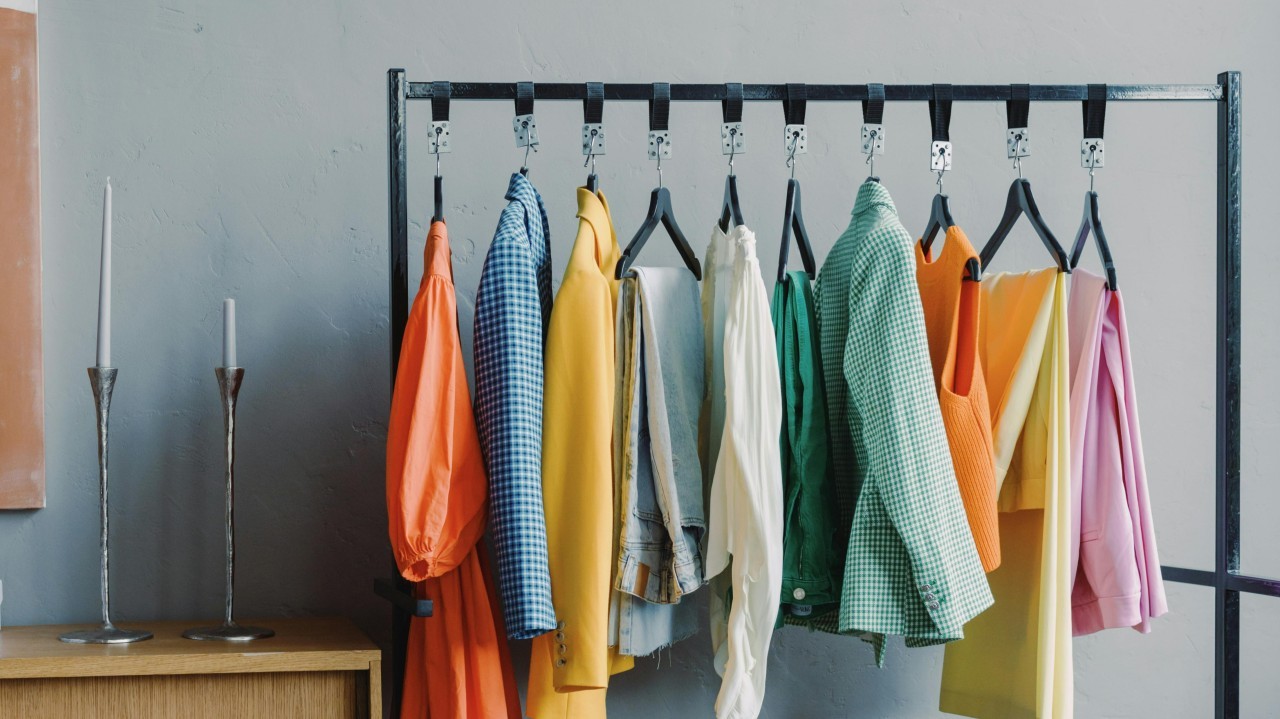
The colour palette is equally restrained: muted tones — cream, navy, faded black, olive. Nothing loud, nothing overly trendy.
Brands which represent this style are:
 At first, you might feel that people lack style. But when you actually dive deeper — especially in the northern part of Barcelona — you start to see a completely different picture. This is where you find all the stores with local fashion, but also carefully curated pieces from small, sustainable labels from all around the world.
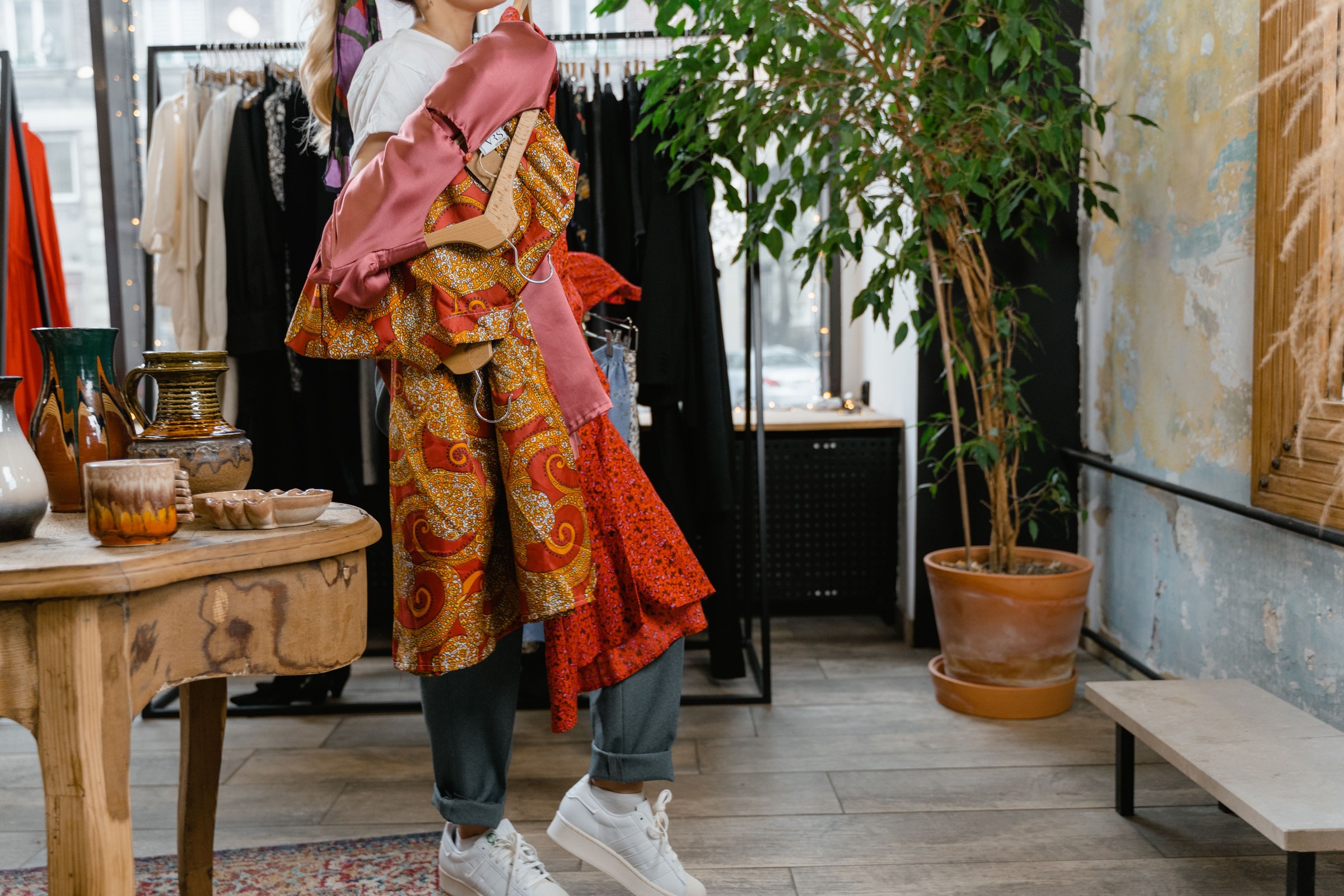
There is also another side to this minimalism. You still have brands like La Veste, run by Blanca Miró and María de la Orden — quite the opposite: colourful, very vintage-inspired, and in my opinion very Spanish (not necessarily very Barcelona).

La Veste
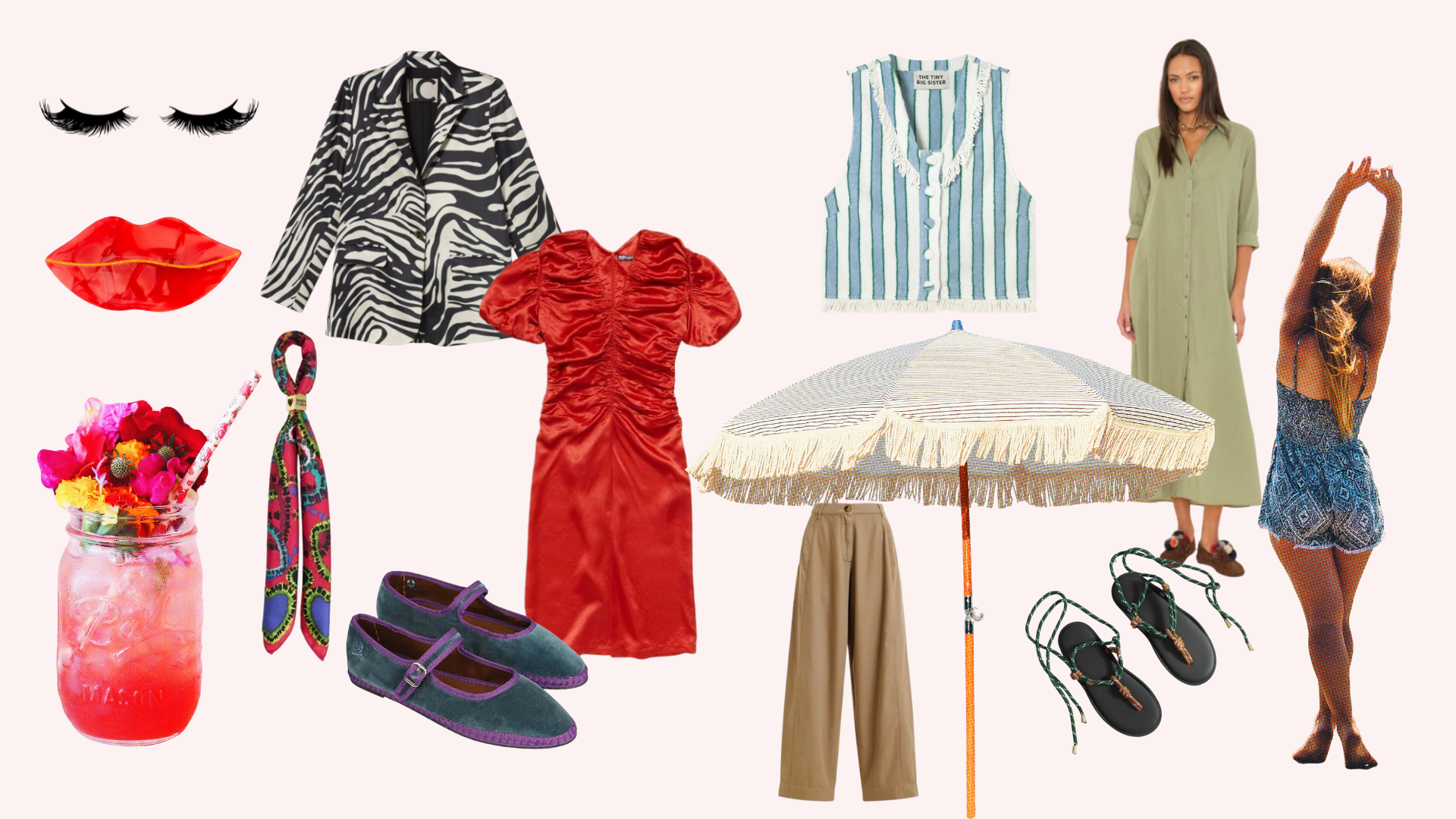
Then there is Lola Casademunt — a brand you really can’t go wrong with. It’s perfect if you just need one strong statement piece. You wear one of their blazers — interesting textures, bold patterns, often in quite striking colours — and suddenly all eyes are on you. And finally the one closest to my personal style The Tiny Big Sister.

Lola Casademunt

The Tiny Big Sister
Most of the other brands I discovered are, of course, around the Turó Park area. Stores like Badits, Beatriz Furest and one of my favorite multi-brand boutiques, Tomates Fritos (where you can find Anine Bing, which is my number one go-to brand).
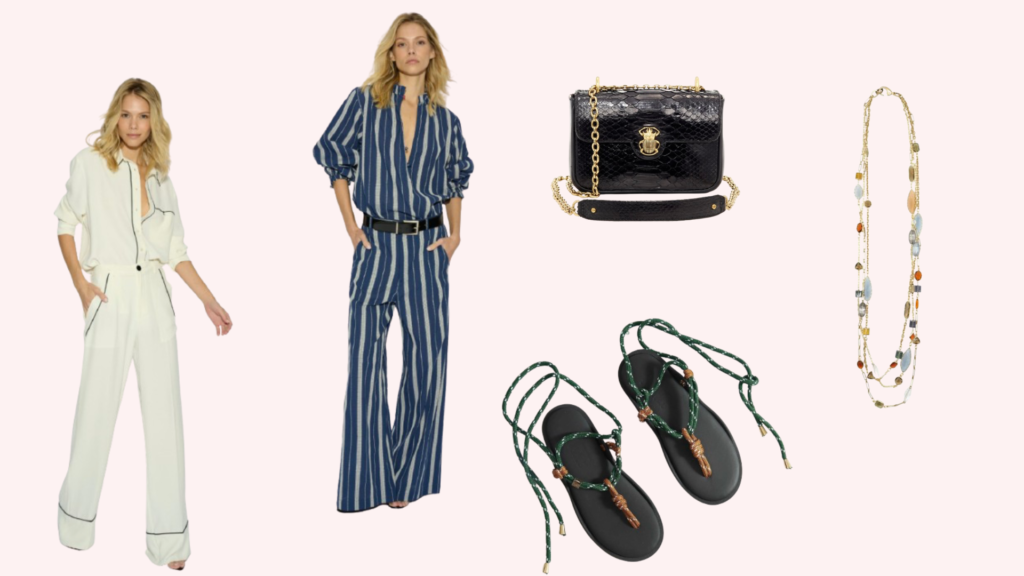
Badits

Beatriz Furest
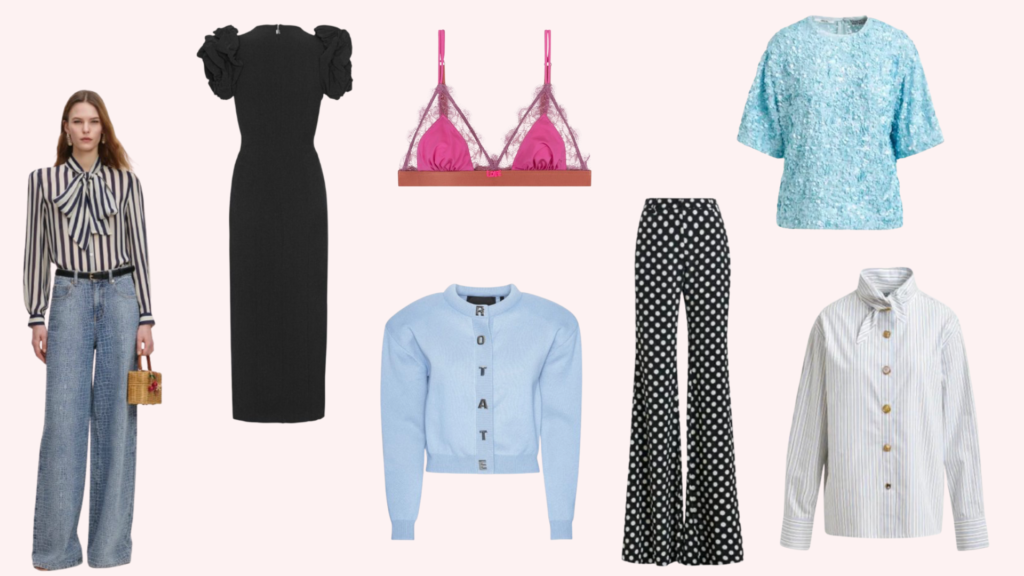
Tomates Fritos
Other names worth mentioning:

Nice Things
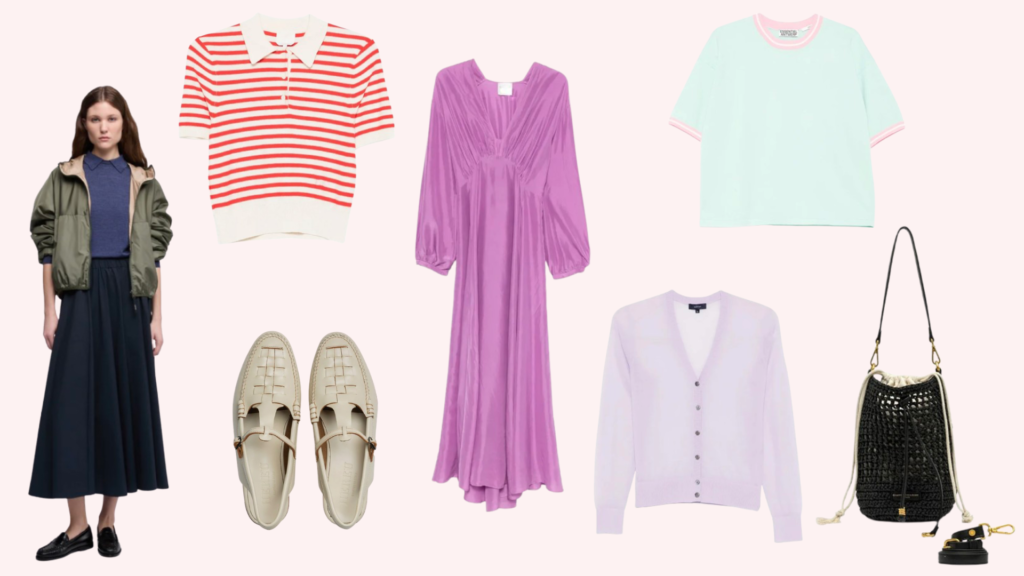
Jofre
If we compare it to the Pija Madrileña, the difference is obvious — almost like Cayetano vs Catalan.
The Pija Madrileña is more put together, social, extroverted, and very status-conscious. There’s a strong sense of traditional “elite” signalling.
Style-wise: fitted, polished, feminine. Blazers, dresses, heels — everything with a clear silhouette: waist, shape, structure.
Colors are stronger, richer: red, navy, black, white.
Within Madrid, there are nuances. The real Pija Madrileña, the one with more colors and cute patterns, shows up more in Chamberí — from Bilbao metro station to Canal, and the streets behind (I gave a small glimpse into it in this article — more to come). This is where my favourite Pijas hang out. Still put together, still elite, but with a Spanish flair: more visible color, cute patterns, funky socks, and flats. There’s always a bit of an edge to this otherwise polished look.
Salamanca is different. Very brand-focused — Loewe, Louis Vuitton, Chanel are everywhere. Darker colors, more elegant, more controlled.
Chamberí feels simply more alive, more fun, while Salamanca is more like a showroom. You see many elegant but repetitive outfits.
And honestly, that Chamberí style — still a Pija, but with personality, is my favourite in Madrid.
Of course, all of this is based on my personal observations. I used to live in Chamberí, in that precise location close to Bilbao, for a few years. I was nearly every day at Plaza de Olavide, and from Thursday to Saturday I had a front-row view of a private fashion show on Calle Ponzano — the epicenter of Pijas. I could probably write a whole PhD on this topic, and anyone who knows me knows I am a bit obsessed with it.
Barcelona feels different, but I wouldn’t give up either city. People there simply value different things and prioritize comfort when it comes to clothes. Still, Barcelona is very artsy — nothing can beat its architecture anywhere in Spain — and that aesthetic is reflected in some brands, like Custo Barcelona.
The whole point of these articles is to show that Spain, sitting between the fashion powers of Italy and France, has its own distinctive style, which is ultra-visible on the streets. No matter where you go, you still see playful patterns, vibrant colors, light fabrics, great jewelry, and accessories.
And let’s be clear: women here look feminine. They really know how to dress, regardless of age or social status. That’s why I’ve always said Spanish fashion is the best.
What’s your take on that? Are you more Pija Madrileña or Pija Catalana?