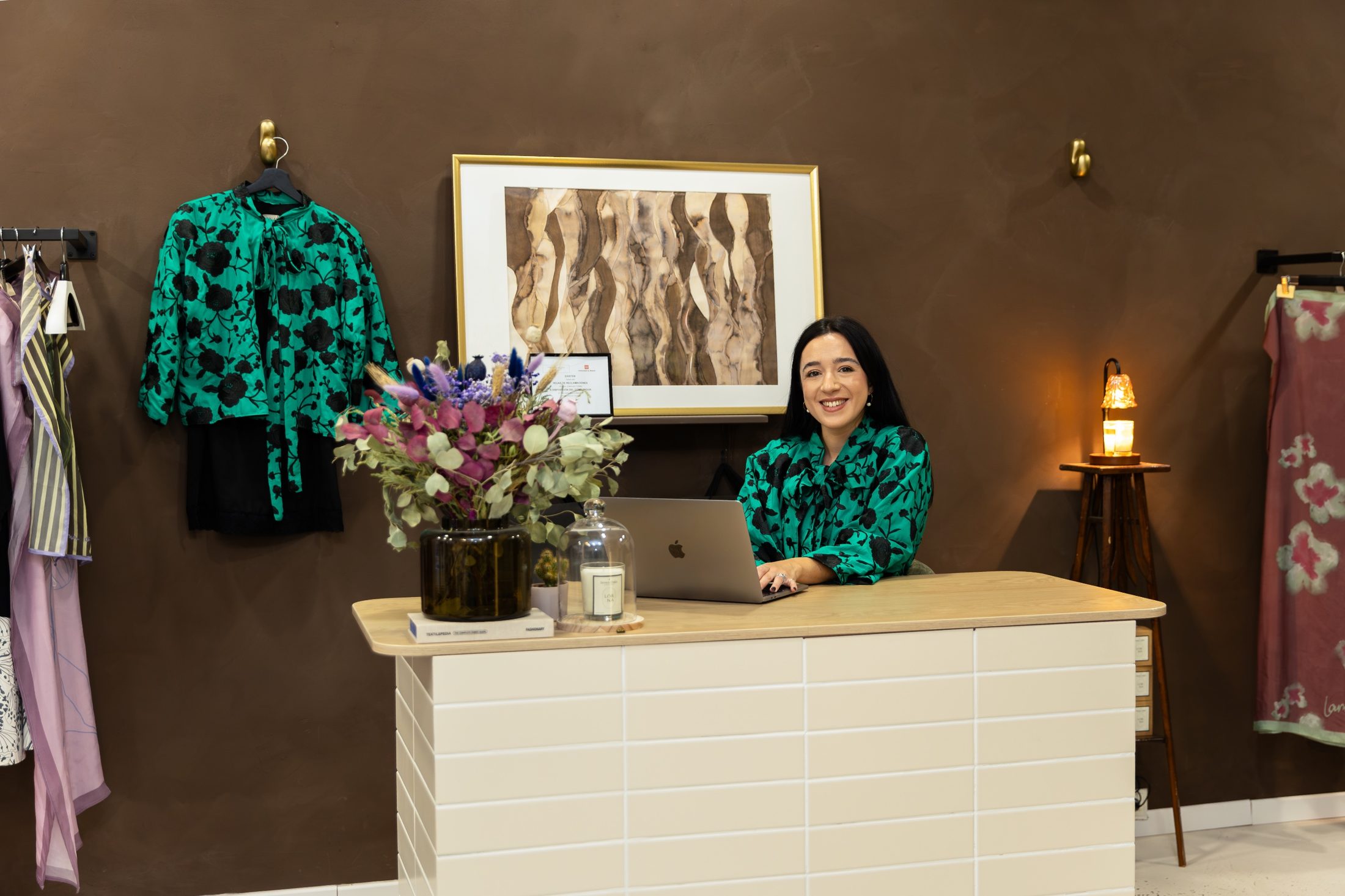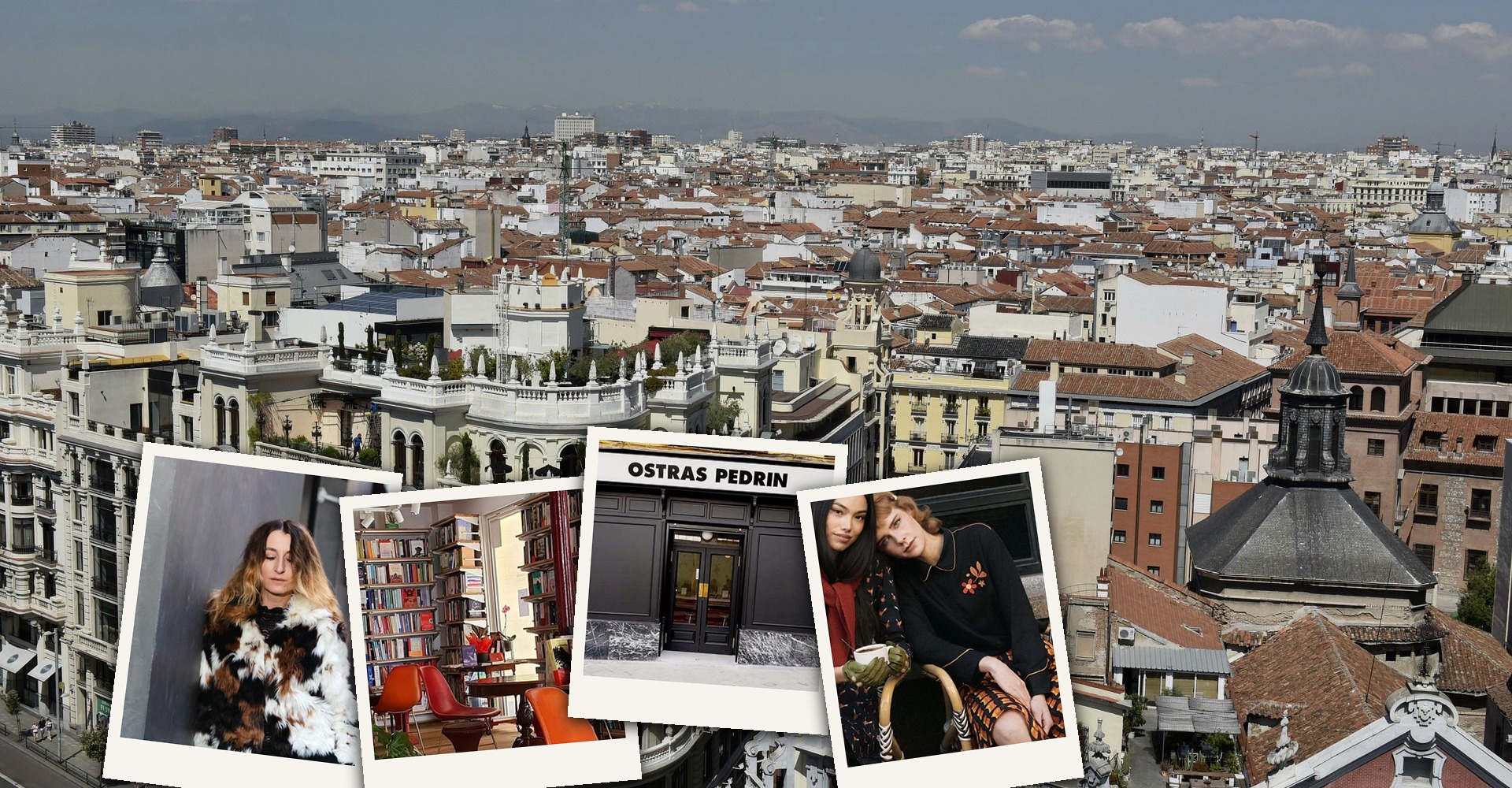
I spent the last few days in Barcelona and, in order to observe some locals and the city’s fashion scene, I moved myself to the northern part of the city—Sarrià–Sant Gervasi, and more precisely Turó Park. This is where I could finally discover small local fashion boutiques and actually see what the Catalan pijos are wearing.
Sitting outside at Turó Café (the interior is rather ugly, but the outdoor seating is lovely) allowed me to do some proper people-watching. Turó Park itself is also a beautiful, peaceful and quiet place and another perfect spot for observation.
The real fashion life seems to happen along Carrer del Tenor Viñas, Carrer de Ferran Agulló, Carrer de Francesc Pérez Cabrero and the streets surrounding the park.
In this article, we will focus only on male fashion, and we will also look at some differences between the pijo madrileño and the pijo catalán. As you may already know, it’s one of my favorite topics here in Spain.
And why? Because due to my work in business over the past 15 years, I’ve always been fascinated by how local fashion ecosystems function. Seeing the devotion to local brands here is a great example of how small, local businesses can still thrive in an extremely competitive fashion market.
And nowhere is that more visible than in the quiet streets around Turó Park, where local identity, tradition and understated wealth quietly shape the way Barcelona’s affluent men dress.
It is quite visible that the Catalan style leans toward quiet luxury – without visible logos and with a more Mediterranean sensibility. Barcelona is, after all, a seaside city, and this inevitably influences how people dress. Compared with Madrid, the overall aesthetic feels more relaxed, discreet, and design-oriented.
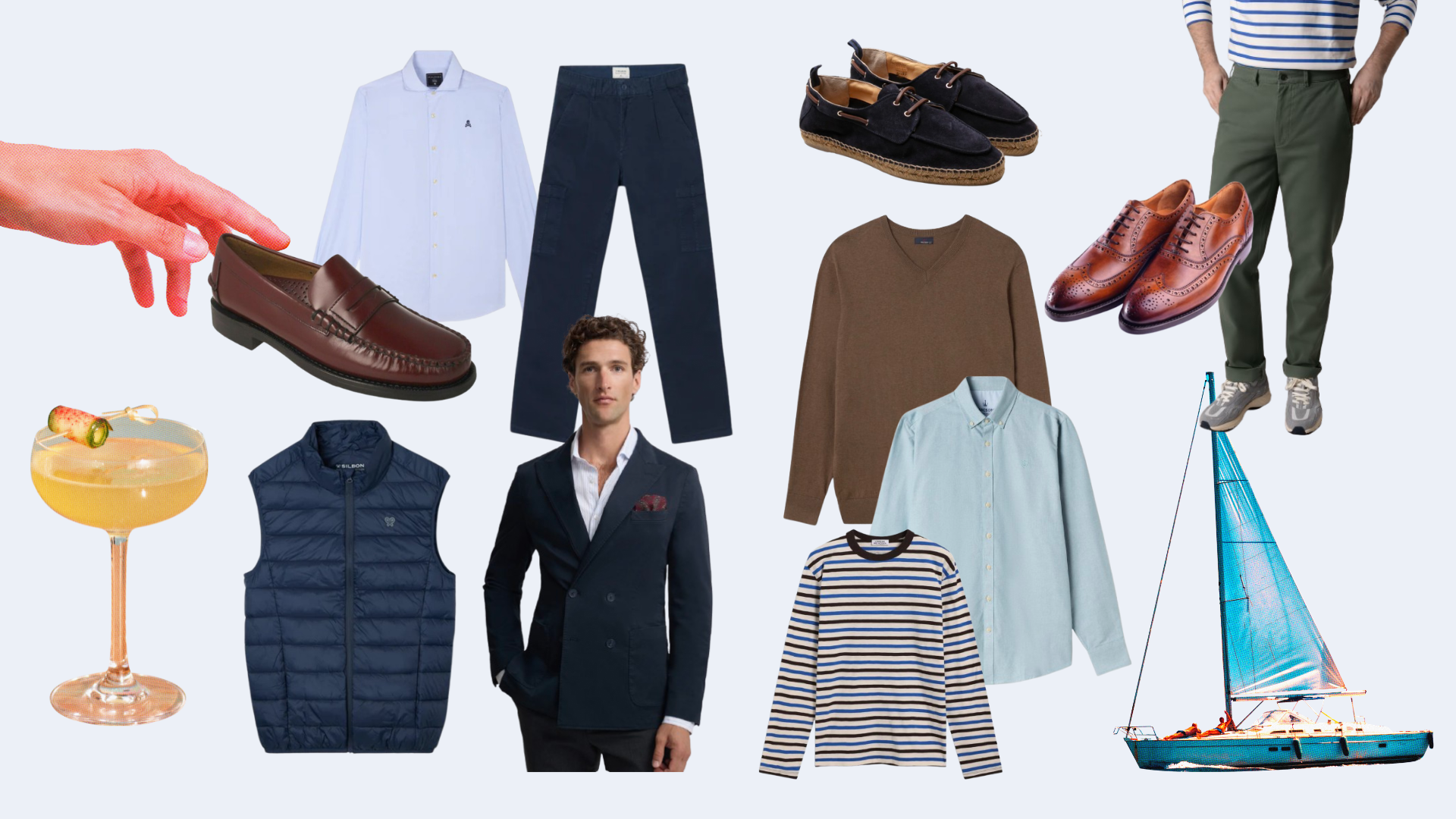
In everyday life, this translates into a wardrobe built around soft tailoring and comfortable materials. The typical Catalan pijo look relies on pieces that are elegant but never too formal.
Typical wardrobe elements include:
soft blazers
merino wool sweaters
chinos
suede loafers
driving shoes
casual leather sneakers
- espadrilles in summer
The color palette also reflects this Mediterranean atmosphere. Lighter, natural tones dominate, such as:
beige
light blue
olive
camel

 But clothing alone does not fully explain the style. To understand the fashion choices, it is also important to look at the cultural background behind them.
Barcelona’s affluent culture developed largely from bourgeois industrial families, particularly in districts such as Sarrià-Sant Gervasi and around Turó Park. Historically, Catalan wealth has tended to value discretion, practicality, and a certain cultural modesty.
The brands that can easily be spotted include several Catalan labels such as Macson and Furest, as well as more internationally known Spanish brands like Massimo Dutti or the more accessible Mango.
You will also see more laid-back brands such as Loreak Mendian and younger labels popular with Gen-Z like Nude Project.
Among wealthier Catalans, it is also common to see high-end European brands such as Loro Piana or Brunello Cucinelli, often mixed with classic outerwear from brands like Barbour, or Ralph Lauren.
How can we compare this with the Madrid pijo? I have already presented some of the timeless Cayetano-style looks in my earlier article, but to summarize the difference, Madrid pijos tend to be more classic and devoted to traditional design.
The Madrid pijo culture is historically tied to aristocracy, politics, and finance, particularly in neighborhoods such as Barrio de Salamanca. As Spain’s political and administrative capital, Madrid has long cultivated a culture where status and social position are more visibly signaled through dress.
For this reason, Madrid’s upper-class style is often described by fashion commentators as classic with visible luxury markers. Even in relatively casual settings, the look tends to remain more formal and structured.
Typical wardrobe elements include:
navy blazer
crisp white shirt
tailored trousers
leather belt
- the quilted vest
Common footwear choices:
classic leather moccasins
penny loafers
polished Oxford shoes
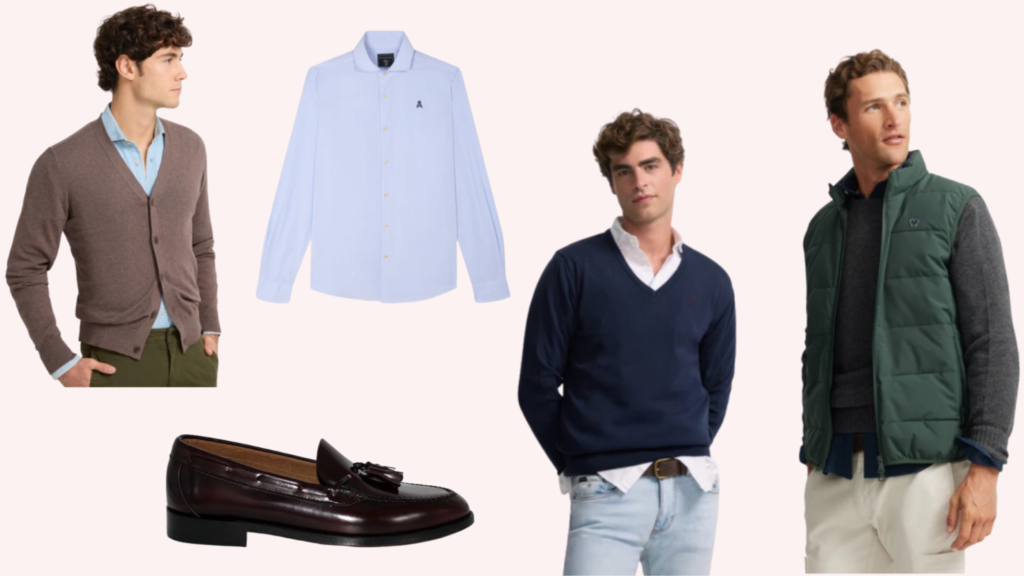
 Overall, the Madrid pijo look is defined by structured tailoring, visible luxury brands, and traditional accessories, reflecting a culture that values heritage, formality, and recognizable status symbols.
In the end, the difference between the two cities is not really about brands or even clothing. It is about mentality.
Barcelona’s affluent men dress with a certain Mediterranean restraint. The emphasis is on comfort, quality and design rather than visibility. The wealth is there, but it rarely feels the need to introduce itself.
Madrid, on the other hand, embraces a more traditional idea of status. The look is sharper, more structured and often more recognizable—an echo of the city’s long connection to aristocracy, politics and institutional power.
Two cities, two cultures, two ways of dressing well.
And if you sit long enough at a café in Turó Park or stroll through the streets of Barrio de Salamanca, you quickly realize that fashion in Spain is not only about clothes, but also about history, identity, and the subtle ways people signal where they belong — and I absolutely love it.
Curious which neighborhood suits your style? Find out on a Madrid Fashion Tour through both.